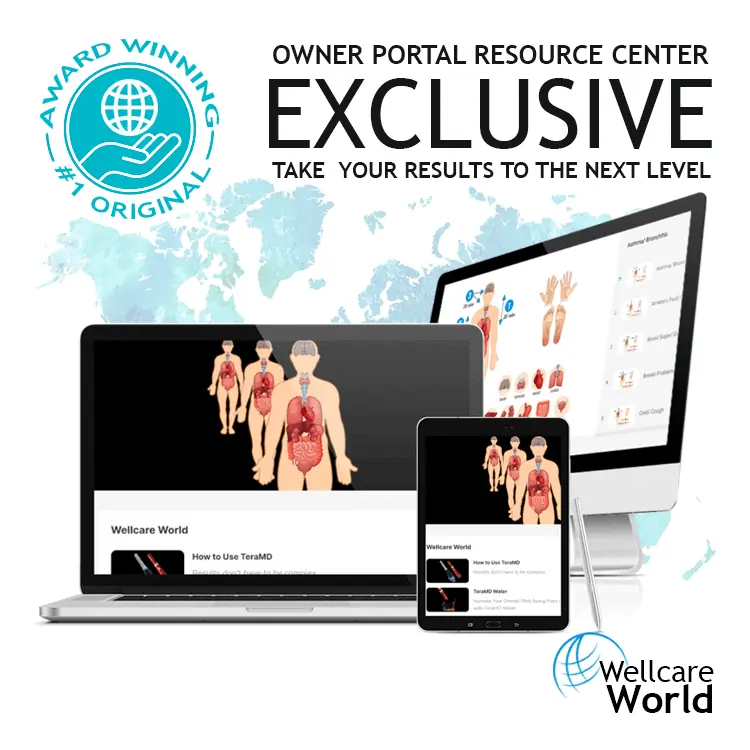
About TeraMD Terahertz Physiotherapy Device

About TeraMD Terahertz Physiotherapy Device

FREE SHIPPING to USA

#1 Award Winning

The Highest-Rated
Multi-Purpose Physiotheraphy
Device Online

Ease of Use Terahertz Technology
Designed for People Like You

terahertz wave physiotherapy device wellcareworld.com
freeship min | About TeraMD Terahertz Physiotherapy Device | FREE SHIPPING to USA | Wellcare World | health
OneYearWarrantly | About TeraMD Terahertz Physiotherapy Device | FREE SHIPPING to USA | Wellcare World | health
100safecheckout min | About TeraMD Terahertz Physiotherapy Device | FREE SHIPPING to USA | Wellcare World | health
onlinesupport | About TeraMD Terahertz Physiotherapy Device | FREE SHIPPING to USA | Wellcare World | health

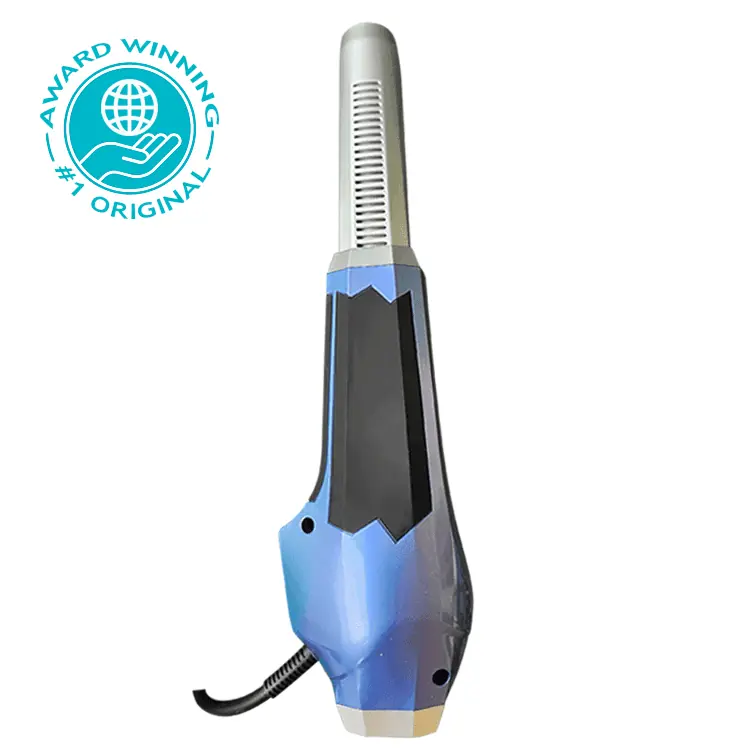
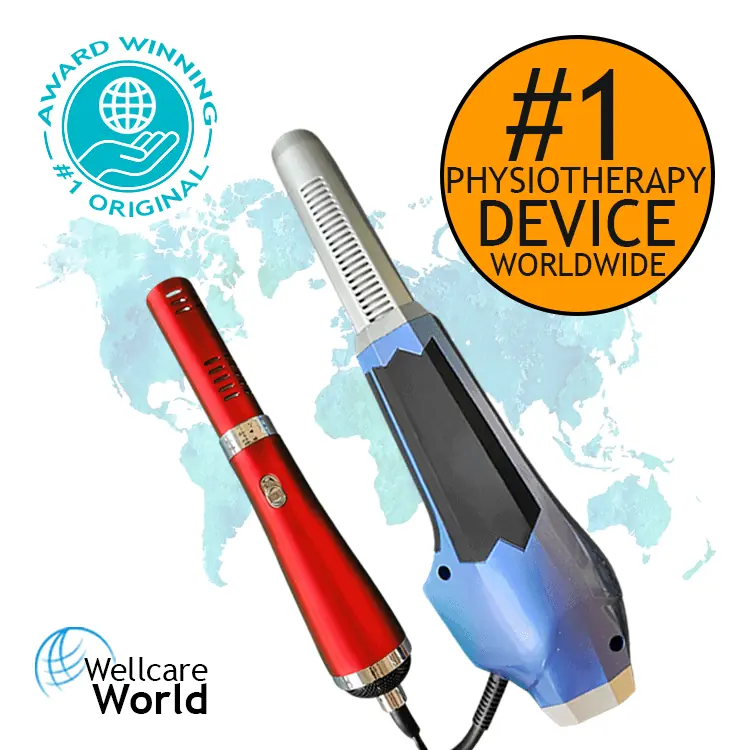
Meet TeraMD

The #1 Multi-Purpose Physiotherapy Device.

‘My TeraMD has been a game changer for me.  After having lower back fusion surgery, I suffered from neuropathy as well as constant coldness in my feet and toes.  At 87 old, I was happy to find something that actually works!  Thank you, TeraMD developing a simple-to-use device that has truly helped me improve the quality of my life.
~ Kenny S.
wellcare world terahertz wave thz best one top new albert einstein min | About TeraMD Terahertz Physiotherapy Device | FREE SHIPPING to USA | Wellcare World | health

Harness the Power of Terahertz Technology

‘Future medicine will be the medicine of frequencies.’


– Albert Einstein

What is TeraMD Terahertz Technology?

Results Driven Physiotherapy Backed By Science

wellcare world terahertz wave thz best one top new terahertz wave range min | About TeraMD Terahertz Physiotherapy Device | FREE SHIPPING to USA | Wellcare World | health
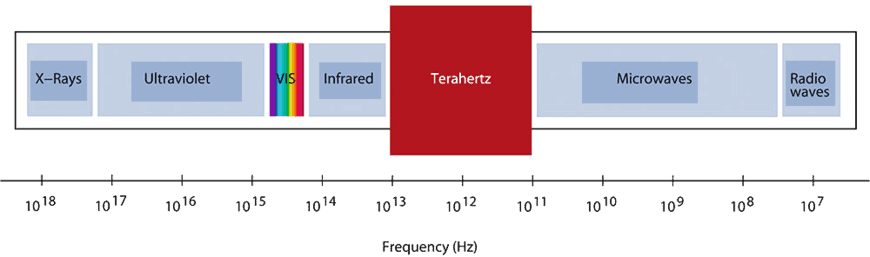
Scientists refer to the range on the frequency scale that terahertz resides, as the terahertz “gap,” because unlike the abundance of research and technology already using radio, microwave and infrared waves, the frequencies in between and within the terahertz gap, have just now begun to be explored.  

Until now, the smallest device that could emit or detect terahertz were the size of an airport body scanner.

Non-Ionizing Energy

Unlike X-rays, terahertz can still penetrate the body; however, due to the low energy transmission, it is non-ionizing and harmless.

Cell Therapy

Researchers have found that terahertz frequencies may have applications in manipulating cell functions for the treatment of certain conditions.

Precision Targeting

Upon targeting specific areas of the body, Terahertz frequencies have been shown to positively effect the proteins inside the cells WITHOUT harming or altering the cells.

Hydrogen Bonds

The characteristic energy of the hydrogen bond, which is the most dominant bond in biological molecules lies in the terahertz frequency range.

#1 Multi-Purpose Physiotherapy Device Available

TeraMD activates dormant stem cells deep to the bone marrow, stimulating NEW CELL and HEALTHY tissue growth

Relief Results Received Addressing

Inflammation

Various skin inflammations, dermatitis, rhinitis, laryngitis, periarthritis of the shoulder, enteritis, nephritis, gynecological, inflation, mastitis (proliferation), prostatitis, hemorrhoids

Pain

Shoulder and neck pain, rheumatic joint pain, gout, stomach pain, menstrual pain, headache, sciatica

Skin

Firming, lightening pigmentation, acne, reducing nasolabial lines, wrinkles, sweat spots, various scars, stretch marks, eczema, hives, body odor

Blockage

Lymphoma, lipoma, ovarian cyst, varicose, veins, goiter, meridian blockages, lymphatic blockage, varicose veins, weight loss, diabetes and high blood pressure

Eye Disease

Presbyopia, myopia, cataract, photophobia, tearing, high intraocular pressure, floaters, etc

and more …

Cold, fever, cough, dilated blood vessels, reduce blood flow resistance and viscosity

TeraMD Triple Play

TeraMD Physiotherapy Device 3-in-1 Health Integrations!

wellcare world terahertz wave thz best one top new terahertz wave wellcare world min | About TeraMD Terahertz Physiotherapy Device | FREE SHIPPING to USA | Wellcare World | health

Terahertz

Terahertz waves and healthy human cells resonate at the same frequency.  Terahertz waves generate millions of vibrations per second, activating healthy and dormant cells, while eradicating unhealthy and damaged cells.

wellcare world terahertz wave thz best one top new quantum wave terahertz wellcare world min | About TeraMD Terahertz Physiotherapy Device | FREE SHIPPING to USA | Wellcare World | health

Quantum

Quantum scalar wave energy produces  a frequency that stimulates and energizes cells.  This encourages the body to come into balance; strengthening and penetrating deep into vital organs.

wellcare world terahertz wave thz best one top new optical quartz tubing terahertz wellcare world min | About TeraMD Terahertz Physiotherapy Device | FREE SHIPPING to USA | Wellcare World | health

Optical Quartz

Optical quartz is responsible for amplifying, while NOT interfering with the purity of the wave being transmitted. The wave generated, mimics 1/40 of the sun’s UV energy.

Boost Your Results With TeraMD Water

Increase Your Well-being From The Inside Out

Water infused using the TeraMD device produces a HIGHER, MORE STABLE energy that can neutralize free radicals, increase oxygen content and restore vitality to water.  The TeraMD device aligns the water molecules to INCREASE MAXIMUM ABSORPTION into our body’s cells.

To put it simple, charging your water with TeraMD MAKES WATER BETTER!  Just a single glass of TeraMD water has been shown to help with the following:

  • Body Detoxification
  • Improves Digestion & Dissolves Body Waste
  • Improves Bowel Movements
  • Weight Loss
  • Antioxidant Capacity Increased
  • Antibacterial 90% Removal Rate
  • Dilute Excess Blood Sugar & Lipids
  • Prevent Premature Aging
  • Promotes Hair Growth
  • Prevents Dandruff
  • Alleviate Menstrual Cramps & Menopause Symptoms
  • Increase Radiation Resistance

Improved Blood Viscosity Reducing Risk of
Cardiovascular and Cerebrovascular Disease

Additional Benefits to TeraMD

Relief Results Reported From People With The Following

Asthma/ Bronchitis  ♥  Athletes’ Foot/ Onychomycosis  ♥  Blood Sugar/ Diabetes  ♥  Cold/ Runny Nose  ♥  Constipation/ Intestinal  ♥  Cough/ Cold  ♥  Ears  ♥  Eyes  ♥  Face  ♥  Fever  ♥  Gastrointestinal/ Spleen  ♥  Gout  ♥  Hair Problems  ♥  Headaches  ♥  Hemorrhoids  ♥  High Blood Pressure  ♥  Joint Pain/ Rheumatic  ♥  Kidneys  ♥  Lower Back  ♥  Nasal Passages/ Rhinitis  ♥  Neck/ Shoulder  ♥  Sleep/ Insomnia  ♥  Sore Throat/ Tonsils  ♥  Toothache/ Oral Ulcers  ♥  Varicose Veins  ♥  Weight Loss/ Obesity  ♥  Wound

Order Your TeraMD

Feel the Power of the Teraherz Today

Terahertz Technology
You & the Universe

‘Our entire biological system, the brain, and the Earth itself, work on the same frequencies.’

– Nikola Tesla

wellcare world terahertz wave thz best one top new tesla min | About TeraMD Terahertz Physiotherapy Device | FREE SHIPPING to USA | Wellcare World | health
}

1 Hour
Terahertz Therapy =

  • 10 Times of ACCUPUNCTURE

  • 20 Times of CUPPING

  • 30 Times of GUA SHA

  • 40 Times of MASSAGE

Customer Testimonials

Find Out What Our Customers Have to Say About TeraMD

Neuropathy, Tingling, Cold Feet & Toes

‘My TeraMD has been a game changer for me.  After having lower back fusion surgery, I suffered from neuropathy as well as constant coldness in my feet and toes.  At 87 old, I was happy to find something that actually works!  Thank you, TeraMD developing a simple-to-use device that has truly helped me improve the quality of my life.

Rheumatoid Arthritis

Years of repetitive office work and just an overall abuse to my body … it finally hit me … the dreaded rheumatoid arthritis women in my family have suffered from. Mornings were the worse and forget about open jars! A friend of mine told me about TeraMD and I figured I had nothing to loose so on a fridged morning I took the device and began warming my hands with the device. BINGO! No more curled up fingers and the aches in my forearms were gone. Thank you TeraMD!!!

Kidney Dialisis

My standard routine has included dialysis 3 and 4 times a week. The first day I did 2 treatments including drinking the TeraMD water and was able to urinate on my own a bit. I continued at this pace with my TeraMD device for 2 weeks and am happy to report that I am now able to urinate 3 times a day. My kidney functions are slowly rejuvenating back.

Hip Pain, Walking, Standing

40 years ago I was in a motorcycle accident, since that time I’ve struggled with hip pain and walked with a limp. Since using my TeraMD Elite I’ve been able to get up and down from a seated position easier and my overall discomfort levels have dramatically decreased!

No Need For Botox

I thought I finally was going to have to look into Botox … but upon using my TeraMD Solo I said NO WAY! Happy to report that the deep lines in my forehead, crows feet and lip lines are all but gone!!! I am so happy to see the impact that this simple painless and cost effective way of TRULY stimulating my own body to create more collagen.

Covid-19 Recovery

Aida got severe COVID-19 and was admitted to the hospital where she spent 25 days breathing with the assistance of an oxygen tank. According to doctors, her recovery was to take 3 months due to the severity of her condition. Incorporating terahertz into her regiment she began to breathe comfortably after her first 40 minute session. After a week of treatment, she now reports that she no longer is needing oxygen tank assistance. After 2 weeks using the device she has fully recovered from COVID-19 and has been released.

Before & After

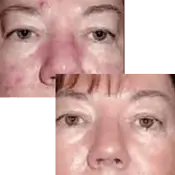
Hooded Eyelid

Learn About TeraMD - Wellcare World - New Developments - acne - terahertz - terahertz

Acne

Learn About TeraMD - Wellcare World - New Developments - acne - terahertz - terahertz

Hair Loss

Learn About TeraMD - Wellcare World - New Developments - acne - terahertz - terahertz

Radiation Exposure

Learn About TeraMD - Wellcare World - New Developments - acne - terahertz - terahertz

Rosacea

Learn About TeraMD - Wellcare World - New Developments - acne - terahertz - terahertz

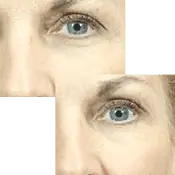
Aging Wrinkles

Learn About TeraMD - Wellcare World - New Developments - acne - terahertz - terahertz

Bells Palsy

Learn About TeraMD - Wellcare World - New Developments - acne - terahertz - terahertz

Deep Tissue Bruising

Learn About TeraMD - Wellcare World - New Developments - acne - terahertz - terahertz

Crow's Feet

Learn About TeraMD - Wellcare World - New Developments - acne - terahertz - terahertz

Eczema

Learn About TeraMD - Wellcare World - New Developments - acne - terahertz - terahertz

Rosacea Collagen Loss

Learn About TeraMD - Wellcare World - New Developments - acne - terahertz - terahertz

Rash

Learn About TeraMD - Wellcare World - New Developments - acne - terahertz - terahertz

Order Your TeraMD

Feel the Power of the Teraherz Today

freeship min | About TeraMD Terahertz Physiotherapy Device | FREE SHIPPING to USA | Wellcare World | health
OneYearWarrantly | About TeraMD Terahertz Physiotherapy Device | FREE SHIPPING to USA | Wellcare World | health
100safecheckout min | About TeraMD Terahertz Physiotherapy Device | FREE SHIPPING to USA | Wellcare World | health
onlinesupport | About TeraMD Terahertz Physiotherapy Device | FREE SHIPPING to USA | Wellcare World | health

Alzheimer’s Disease Options Explored

Alzheimer’s Disease Options Explored

Alzheimer’s disease is a debilitating condition that affects millions of people worldwide. Despite years of research, there is still no cure for this disease. However, weighing new treatments for Alzheimer’s disease has several potential benefits that can help improve patient outcomes, reduce healthcare costs, increase research funding, improve understanding of the disease, and improve public health. In this article, we will explore each of these potential benefits in detail and discuss how weighing new treatments for Alzheimer’s disease is an important step in the fight against this debilitating condition.

Improved Patient Outcomes

Alzheimer’s disease is a progressive disorder that affects cognitive function, memory, and behavior. Currently available treatments only provide limited benefits and do not slow down the disease’s progression. However, new treatments that target the underlying mechanisms of the disease could provide more significant benefits. For instance, new drugs that reduce the production of amyloid plaques or tau protein tangles, which are the hallmark features of Alzheimer’s disease, could slow down the disease’s progression and improve cognitive function. Moreover, new treatments that target inflammation, oxidative stress, or neuronal damage could also improve patient outcomes. These new treatments have the potential to significantly improve the quality of life for individuals with Alzheimer’s disease, which is an important goal of healthcare.

Reduced Healthcare Costs

Alzheimer’s disease is a costly disease, both in terms of direct medical costs and indirect costs such as lost productivity and caregiver burden. In the United States, the annual cost of caring for individuals with Alzheimer’s disease and other dementias is estimated to be $305 billion. By 2050, this cost is projected to increase to $1.1 trillion. Developing more effective treatments that delay disease progression, reduce hospitalizations and long-term care, and improve quality of life could help reduce these costs significantly. For instance, new treatments that delay disease progression could reduce the need for hospitalization and long-term care, which are major contributors to healthcare costs. Moreover, improved quality of life for individuals with Alzheimer’s disease could reduce caregiver burden and improve productivity, which would have a positive impact on the economy.

Increased Research Funding

Despite years of research, the underlying mechanisms of Alzheimer’s disease are not fully understood. Moreover, most clinical trials of new treatments have failed to show significant benefits, leading to a decline in research funding. However, weighing new treatments for Alzheimer’s disease can help increase funding for research into the disease. New treatments that target the early stages of the disease, such as mild cognitive impairment, could lead to new discoveries and breakthroughs in treatment. Additionally, new treatments that involve personalized medicine, gene therapy, or stem cell therapy could also provide new avenues for research. Investing in research into new treatments for Alzheimer’s disease is critical for improving our understanding of the disease and developing more effective treatments.

Improved Understanding of the Disease

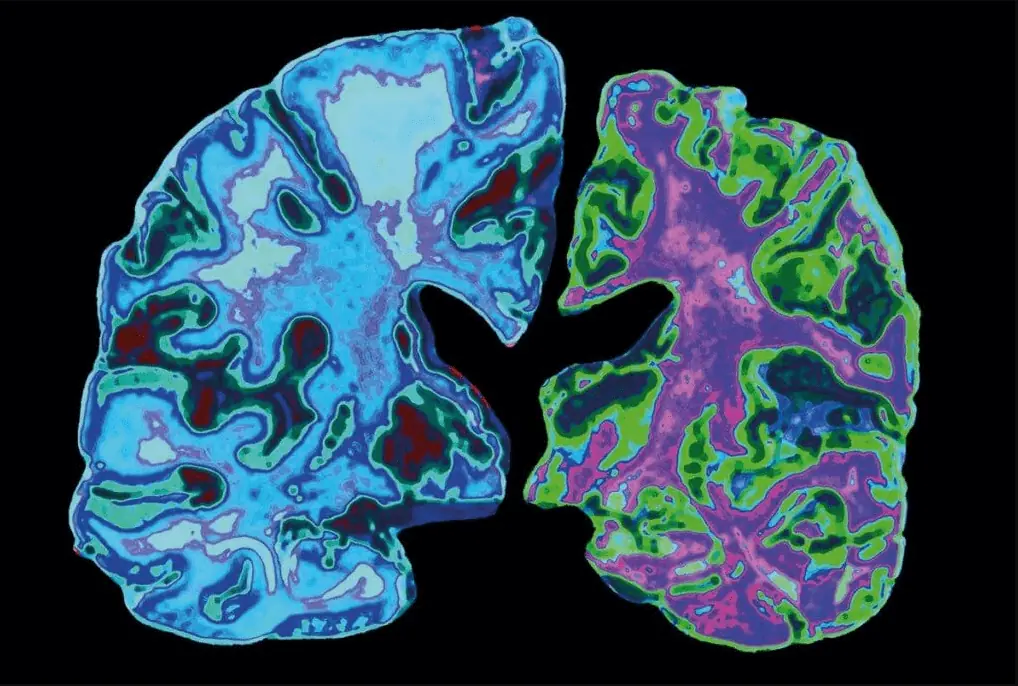
Weighing new treatments for Alzheimer’s disease can also lead to a better understanding of the underlying mechanisms of the disease. New imaging techniques such as positron emission tomography (PET) and magnetic resonance imaging (MRI) can help identify the changes in the brain that occur during the disease’s progression. Moreover, new genetic studies can identify the risk factors and genetic variants associated with the disease. Such insights can inform the development of future treatments and potentially even a cure. Improved understanding of the disease is critical for developing more effective treatments and ultimately finding a cure for Alzheimer’s disease.

Improved Public Health

Alzheimer’s disease is a major public health issue, affecting millions of people around the world. Moreover, the disease has a significant impact on the individuals, families, and society as a whole. Caring for individuals with Alzheimer’s disease can be emotionally and financially draining for caregivers. Moreover, individuals with Alzheimer’s disease are at increased risk of falls, injuries, and other health problems. Developing new treatments for the disease can have a significant impact on public health, reducing the burden of the disease on individuals, families, and society as a whole. Moreover, new treatments could improve quality of life and reduce healthcare costs, which would have a positive impact on the economy.

Challenges in Developing New Treatments

Developing new treatments for Alzheimer’s disease is a complex and challenging process. The disease is multifactorial, with several underlying mechanisms involved. Moreover, the blood-brain barrier presents a significant challenge in delivering drugs to the brain. Additionally, Alzheimer’s disease is a chronic condition that requires long-term treatment, which can be costly and challenging for patients and caregivers. Furthermore, clinical trials of new treatments for Alzheimer’s disease have a high failure rate, which can be discouraging for researchers and investors.

Blood-Brain Barrier

The blood-brain barrier is a protective mechanism that prevents harmful substances from entering the brain. However, this mechanism also presents a challenge in delivering drugs to the brain. Many drugs that are effective in treating other diseases are unable to cross the blood-brain barrier, limiting their efficacy in treating Alzheimer’s disease. Researchers are exploring several strategies to overcome this challenge, including nanotechnology, gene therapy, and immune system modulation.

Clinical Trial Failures

Clinical trials of new treatments for Alzheimer’s disease have a high failure rate. Many drugs that show promise in preclinical studies fail to show significant benefits in clinical trials. This high failure rate is partly due to the complexity of the disease and the lack of understanding of its underlying mechanisms. However, it is also due to the limitations of current clinical trial designs, which may not be optimal for Alzheimer’s disease. To address this issue, researchers are exploring new trial designs, such as adaptive trials, that allow for flexibility and early efficacy assessments.

Promising New Treatments

Despite the challenges in developing new treatments for Alzheimer’s disease, several promising treatments are currently under investigation.

Biogen’s Aducanumab

Aducanumab is a monoclonal antibody that targets amyloid plaques, one of the hallmark features of Alzheimer’s disease. In clinical trials, aducanumab showed a significant reduction in amyloid plaques and a slowing of cognitive decline in patients with early-stage Alzheimer’s disease. In June 2021, the FDA approved aducanumab for the treatment of Alzheimer’s disease, making it the first drug to be approved for the disease in nearly 20 years.

Leuco-methylthioninium-bis(Hydromethanesulfonate) (LMTM)

LMTM is a drug that targets tau protein tangles, another hallmark feature of Alzheimer’s disease. In clinical trials, LMTM showed a significant reduction in tau protein tangles and a slowing of cognitive decline in patients with mild-to-moderate Alzheimer’s disease. However, subsequent trials did not show significant benefits, and further research is needed to determine the drug’s efficacy.

BAN2401

BAN2401 is a monoclonal antibody that targets amyloid plaques. In clinical trials, BAN2401 showed a significant reduction in amyloid plaques and a slowing of cognitive decline in patients with early-stage Alzheimer’s disease. Moreover, BAN2401 has shown potential in reducing the accumulation of amyloid plaques in the brain, which could have significant benefits in the long term. BAN2401 is currently in phase III clinical trials, and the results are eagerly awaited.

Other Promising Treatments

Several other treatments are also under investigation, including:

  • GV-971, a drug derived from seaweed that targets gut bacteria
  • Amylyx Pharmaceuticals’ AMX0035, a combination therapy that targets neuroinflammation and neuronal damage
  • Gene therapies that target genetic risk factors for Alzheimer’s disease, such as apolipoprotein E (APOE)

While these treatments are still in the early stages of investigation, they hold promise for the future of Alzheimer’s disease treatment.

Conclusion

Alzheimer’s disease is a devastating condition that affects millions of people worldwide. Despite the significant amount of research that has been done in the field, there is still no cure for this disease. However, weighing new treatments for Alzheimer’s disease has several potential benefits, including improved patient outcomes, reduced healthcare costs, increased research funding, improved understanding of the disease, and improved public health. New treatments that target the underlying mechanisms of the disease could provide more significant benefits than currently available treatments. While there are challenges in developing new treatments for Alzheimer’s disease, promising new treatments are currently under investigation, and the future is looking brighter for individuals affected by this devastating condition.

It is important to continue investing in research into new treatments for Alzheimer’s disease. The disease has a significant impact on public health, and developing new treatments could reduce the burden of the disease on individuals, families, and society as a whole. Moreover, new treatments could improve quality of life and reduce healthcare costs, which would have a positive impact on the economy. We must continue to support researchers and healthcare providers in their efforts to develop more effective treatments for Alzheimer’s disease.  


Your Attitude and Quality of Life

Your Attitude and Quality of Life

Is the quality of your life really impacted by your attitude? And what do the professionals say about it? Yes, cultivating an attitude of gratitude can have numerous benefits for both physical and mental health, and can be worth the effort. In today’s fast-paced and stressful world, it’s easy to get caught up in negativity and forget to appreciate the good things in life. But taking a few minutes each day to cultivate an attitude of gratitude can make a significant difference in your overall well-being.

How does an attitude of gratitude impact quality of life?

  1. Better mental health: A positive attitude is associated with lower rates of depression, anxiety, and stress. Optimistic individuals tend to have better coping skills, resilience, and a more positive self-image. When you focus on the positive aspects of life, you’re less likely to get bogged down by negative thoughts and emotions.
  2. Improved physical health: Positive attitudes have been linked to better physical health outcomes, including lower rates of cardiovascular disease, lower blood pressure, and a stronger immune system. Individuals with positive attitudes may also be more likely to engage in healthy behaviors such as exercise and eating a healthy diet. When you feel good about yourself and your life, you’re more motivated to take care of your body.
  3. Better relationships: Positive attitudes can lead to more positive interactions with others and stronger social connections. Optimistic individuals tend to be more outgoing, friendly, and empathetic, which can lead to better interpersonal relationships and social support. When you appreciate the people in your life and express gratitude for their presence, you’re more likely to foster positive relationships.
  4. Improved overall well-being: A positive attitude can lead to a greater sense of purpose, meaning, and satisfaction in life. Positive individuals tend to be more resilient in the face of challenges and have a greater sense of overall well-being. When you focus on the good things in your life and appreciate what you have, you’re less likely to feel overwhelmed by difficulties and more likely to find joy in everyday moments.

How can you cultivate an attitude of gratitude?

Cultivating an attitude of gratitude does not have to be a major effort – it can be as simple as taking a few minutes each day to reflect on the good things in life, keeping a gratitude journal, or expressing thanks to others. The more that gratitude becomes a habit or routine, the easier it may be to maintain an overall positive outlook on life. Here are some practical ways to cultivate an attitude of gratitude:

  1. Keep a gratitude journal: Write down three things you’re grateful for each day. This can be as simple as a good cup of coffee, a sunny day, or a phone call from a friend. By focusing on the positive aspects of your life, you’re training your brain to look for the good.
  2. Express gratitude to others: Take time to thank the people in your life who make a difference. This can be as simple as a thank-you note or a heartfelt conversation. When you express gratitude to others, you’re not only cultivating an attitude of gratitude in yourself but also spreading positivity to those around you.
  3. Practice mindfulness: Take a few minutes each day to sit quietly and focus on your breath. As you breathe in and out, think about the things in your life that you’re grateful for.

In summary, an attitude of gratitude can have numerous benefits for physical and mental health, and can be worth the effort. Whether through daily reflections or other practices, cultivating gratitude can help to promote a more positive outlook on life and may contribute to improved overall well-being.

What are the True Impacts of Sleep

What are the True Impacts of Sleep

As a general rule, we all know that we feel better after a good night’s sleep and worse when we don’t. If so, why? A person’s health and happiness are directly tied to the amount and quality of sleep they get each night. Some of the many positive effects of sleep on health are listed here.

Physical Health Benefits of Sleep

Restoring and revitalizing the body physically is a primary function of sleep. During your sleep, your body repairs damaged tissues, creates new cells, and secretes growth hormones. Lack of sleep can lead to negative physical health outcomes.

Metabolic Syndrome: Sleep deprivation has been associated with metabolic syndrome, a cluster of conditions that includes high blood sugar, high blood pressure, excess abdominal fat, and abnormal cholesterol or triglyceride levels. Metabolic syndrome increases the risk of developing type 2 diabetes and cardiovascular disease.

Type 2 Diabetes: A lack of sleep can also affect insulin sensitivity, leading to impaired glucose tolerance and an increased risk of developing type 2 diabetes.

Cardiovascular Disease: Sleep deprivation has been linked to an increased risk of developing cardiovascular disease, including hypertension, stroke, and heart attack.

Immune Function: Sleep is essential for optimal immune function, including the production of cytokines, which help fight infection and inflammation. Sleep deprivation can impair the immune system, making it more challenging for the body to fight off infections and illnesses.

Mental Health Benefits of Sleep

Sleep is also crucial for maintaining sound mental health. Irritability, mood fluctuations, and inability to focus are all symptoms of sleep deprivation. In addition to raising the likelihood of developing both sadness and anxiety, chronic sleep loss has been shown to make these conditions more likely to manifest.

Cognitive Function: In order to think clearly, remember information, and come up with original solutions, you need a good night’s sleep. Certain mental operations can be hindered by sleep deprivation, which in turn can decrease productivity and performance.

Emotional Control: Sleep aids in emotional regulation by providing time and space for processing and coping with feelings. Low sleep quality has been linked to increased emotional reactivity and a diminished ability to cope with stress.

The Importance of Good Sleep Habits

Healthy sleep is crucial to your overall health and happiness. Those who get enough sleep report feeling revitalized, re-energized, and mentally sharp. But, not getting enough shut-eye might make you feel drained and listless.

For best health and happiness, it is crucial to prioritize excellent sleep habits including:

1. Stick to a regular sleep schedule.

Going to bed and waking up at the same time each day can help regulate your body’s internal clock, making it easier to fall asleep and wake up naturally.

2. Make your bedroom a relaxing place to unwind.

Creating a peaceful sleep environment with a comfortable bed, appropriate temperature, and minimal distractions can help promote restful sleep.

3. Avoid screen time in the hours before bed.

The blue light emitted from screens can interfere with the body’s natural production of melatonin, a hormone that regulates sleep and wakefulness. Avoiding screens for at least an hour before bed can help promote better sleep quality.

Conclusion

All things considered, sleep is crucial to a person’s well-being in terms of their physical health, mental health, cognitive function, emotional control, and general sense of happiness. Lack of sleep can lead to negative outcomes in all of these areas.

To ensure optimal health and well-being, it is important to prioritize good sleep habits and seek professional medical advice if you are experiencing ongoing sleep problems or chronic sleep deprivation. If you are struggling to get enough quality sleep, consult with your healthcare provider, who can help identify any underlying medical conditions that may be affecting your sleep and provide treatment options.

In addition to seeking medical advice, there are many things you can do to improve your sleep hygiene, including establishing a relaxing bedtime routine, avoiding caffeine and alcohol before bed, and getting regular exercise. Meditation and relaxation techniques, such as deep breathing exercises, can also help promote better sleep.

It’s important to note that while everyone’s sleep needs are different, most adults require between seven and nine hours of sleep per night to function optimally. Children and teenagers require even more sleep, with newborns requiring up to 17 hours of sleep per day.

In conclusion, the impact of sleep on health is significant, and quality sleep is essential for physical and mental well-being. By prioritizing good sleep hygiene and seeking professional medical advice when needed, you can improve your sleep and enjoy the many health benefits that come with it.

Acne and Terahertz

Acne and Terahertz

Acne is a common skin condition that can cause physical and emotional distress for those who suffer from it. While there are many acne treatments available on the market, most are not personalized to the individual’s skin type and acne severity. However, the emergence of terahertz (THz) technology provides a new avenue for personalized acne treatment. THz waves can penetrate the skin to provide detailed information about its structure and composition, enabling personalized skincare treatments to be developed. In this article, we will explore the potential of THz technology for acne treatment and its implications for self-image and confidence.

What is Terahertz Technology?

Terahertz technology is a relatively new field that involves the use of electromagnetic waves with frequencies between 0.1 and 10 terahertz. THz waves are non-ionizing and can penetrate a variety of materials, including biological tissues like skin, without causing any harm. THz waves can provide information about the structure and composition of a material, making it useful for a variety of applications, including imaging, spectroscopy, and sensing.

How THz Technology Can Be Used for Acne Treatment

THz technology has the potential to revolutionize acne treatment by enabling personalized skincare treatments to be developed. Here are some ways that THz technology can be used for acne treatment:

THz Imaging for Acne Diagnosis

THz imaging can be used to diagnose acne by providing detailed information about the type and severity of acne lesions. Traditional acne diagnosis relies on visual inspection, which can be subjective and imprecise. THz imaging can provide objective information about the depth, size, and distribution of acne lesions without causing any harm to the skin. This information can be used to develop personalized acne treatment plans that target the specific type and severity of acne.

Personalized Skincare Treatments

THz spectroscopy can be used to analyze the composition of the skin and develop personalized skincare treatments. THz waves can penetrate the skin to provide information about its structure and composition, including the concentration of water, lipids, and proteins. This information can be used to develop personalized skincare treatments that target the specific needs of the skin. For example, THz spectroscopy can be used to develop moisturizers that are tailored to the individual’s skin type and needs.

Real-Time Monitoring of Acne Treatment

THz imaging can be used to monitor the effectiveness of acne treatment in real-time. Traditional acne treatment involves trial and error, with patients trying different treatments until they find one that works. THz imaging can provide objective information about the effectiveness of acne treatment, enabling doctors to adjust the treatment plan as needed. For example, if THz imaging shows that a particular acne treatment is not working, the doctor can switch to a different treatment without wasting time and money on ineffective treatments.

Implications for Self-Image and Confidence

Acne can have a significant impact on self-image and confidence, especially for teenagers and young adults. THz technology has the potential to improve self-image and confidence by providing personalized acne treatment that is tailored to the individual’s skin type and needs. By improving skin health and reducing the appearance of acne, THz-based skincare treatments could help to improve self-image and promote self-confidence.

Conclusion

In conclusion, THz technology shows promise as a non-invasive and personalized way to improve skin health and deal with acne-related problems. THz imaging can be used for acne diagnosis and real-time monitoring of acne treatment, while THz spectroscopy can be used to develop personalized skincare treatments.

The use of THz technology for acne treatment has the potential to revolutionize the skincare industry by providing personalized and effective treatments. However, more research is needed to fully understand the benefits and limitations of using THz technology for skincare. With further research and development, THz technology could become a valuable tool for improving skin health and promoting self-confidence in individuals with acne.

GET 10% OFF

GET 10% OFF

Enter your email to get your Coupon.

Congratulations! Here is your coupon: MOPED70