
Stress Relief Strategies for Today’s Fast-Paced World

Stress Relief Strategies for Today’s Fast-Paced World

There is no denying the fact that developing effective strategies to cope with stress has become an essential need in today’s fast-paced world. As the demands of modern life continue to increase, so does the importance of finding ways to manage and control our stress levels.

Fortunately, in recent years, a plethora of innovative strategies have emerged, offering individuals various tools and techniques to tackle and alleviate stress. From mindfulness practices to technological advancements, these strategies hold the potential to empower individuals in their journey towards achieving a healthier and more balanced state of mind.

In this article, we will explore some noteworthy instances of these innovative stress management strategies, shedding light on their benefits and the potential they hold for improving overall well-being.

Mindfulness-Based Stress Reduction (MBSR)

Mindfulness-Based Stress Reduction (MBSR) is a method that is a technique that involves paying attention to the present moment and cultivating awareness of your thoughts, feelings, and sensations without judgment. MBSR is also abbreviated as “mindfulness.” It is possible for it to assist reduce stress and promote well-being overall.

Biofeedback

Biofeedback is a method that involves the use of sensors to monitor different biological functions, such as heart rate and muscular tension, and then provide input in real time regarding how to control these functions. It is possible for it to assist individuals in learning how to manage stress responses and promote relaxation.

Virtual Reality Therapy

The term “virtual reality therapy” refers to the practice of utilizing virtual reality technology to create immersive environments that can assist patients in relaxing and experiencing a reduction in stress. It has been demonstrated to be useful in treating a wide range of mental health issues, including anxiety and PTSD, amongst others.

Gratitude Practice

Gratitude practice entails making a conscious effort to direct one’s attention toward those aspects of one’s life for which one feels gratitude. Doing so can assist in diverting one’s attention away from anxious thoughts and feelings. Regularly expressing thankfulness can be done in a variety of ways, including writing it down or saying it out loud.

Progressive Muscle Relaxation (PMR)

Progressive Muscle Relaxation (PMR) is a technique that involves tensing and releasing certain muscle groups in order to promote relaxation and reduce tension. PMR is also known as “progressive muscle contraction.” You can choose to accomplish it on your own or seek the assistance of a therapist.

In Conclusion

It is essential to keep in mind that the strategies that are successful for one individual might not be effective for another, and it is perfectly OK to experiment with a variety of approaches in order to identify the strategies that are most successful for you. When it comes to building an individualized strategy for managing stress, speaking with a healthcare physician or mental health expert can be of great assistance.
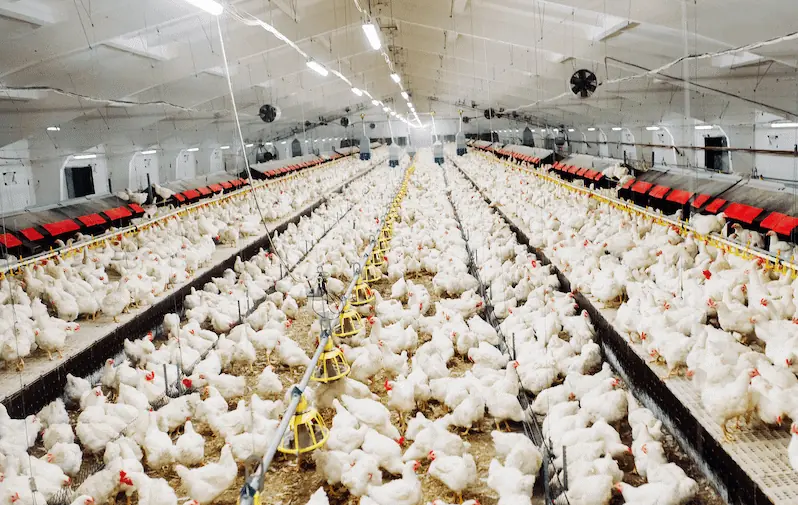
Chicken the Egg and the Terahertz

Chicken the Egg and the Terahertz

When it comes to improving agricultural practices and increasing productivity, technology plays a significant role. One such technology that has the potential to revolutionize the farming industry is terahertz technology. Although research on the use of terahertz waves for egg production in chickens is limited, the technology has shown promise in other areas of agriculture and food science.

What is Terahertz Technology?

Terahertz (THz) technology is a relatively new and cutting-edge technology that uses electromagnetic radiation to penetrate through solid and opaque objects, such as food and agricultural products. Terahertz waves are in the electromagnetic spectrum between microwave and infrared radiation, with frequencies ranging from 0.1 THz to 10 THz. Terahertz waves have unique properties that make them ideal for certain applications, including:

  • Non-ionizing radiation: Terahertz waves are non-ionizing, which means they do not damage living tissue, making them safe for use in many applications.
  • Low energy: Terahertz waves are low energy, making them safe for use in many applications and reducing the risk of damage to sensitive products.
  • Penetration: Terahertz waves can penetrate through non-metallic objects, such as food and agricultural products, providing detailed images and information about the internal structures of these products.
  • Unique absorption properties: Terahertz waves are absorbed by different materials in different ways, making them useful for identifying and analyzing specific materials or chemicals.

Applications of Terahertz Technology in Agriculture and Food Science

Terahertz technology has shown promise in a variety of agricultural and food science applications, including:

Feed Analysis

Feed quality is critical for maintaining the health and productivity of livestock, including chickens. By using terahertz technology, farmers can analyze the chemical makeup and quality of feed, ensuring that their chickens receive optimal nutrition and avoiding any potential health issues that could impact egg production. Terahertz technology can also be used to detect contaminants in feed, helping farmers avoid any potential problems that could affect egg production.

Plant Growth and Harvesting

Terahertz technology has the potential to improve plant growth and yield, which can indirectly impact egg production by providing additional food resources for chickens. Terahertz waves can penetrate plant tissue and provide detailed images and information about the internal structures of plants, allowing farmers to identify and address any issues that may be affecting plant growth and yield.

Egg Development and Inspection

Terahertz technology can also be used to inspect flaws in eggshells and track the maturation process of eggs. Terahertz waves have been shown to penetrate the eggshell and provide detailed images of the internal structures of the egg. This technology can help farmers identify any faults or abnormalities that may be affecting egg production.

The Potential of Terahertz Technology for Increasing Egg Production

Although research on the use of terahertz technology for egg production in chickens is limited, the technology has shown promise in other areas of agriculture and food science that can indirectly impact egg production. By analyzing feed quality, promoting plant growth, and monitoring the egg development process, farmers can ensure that their chickens are healthy and productive, which can ultimately lead to increased egg production.

Feed Quality Analysis

One of the critical factors affecting egg production in chickens is the quality of their feed. By using terahertz technology to analyze feed quality, farmers can ensure that their chickens are receiving optimal nutrition and avoid any potential health issues that could impact egg production. Terahertz waves can analyze the chemical makeup of feed and detect contaminants, allowing farmers to avoid any potential problems that could affect egg production. This technology can help farmers make informed decisions about their chickens’ diet, ensuring that they are getting the nutrients they need to produce high-quality eggs.

Plant Growth and Harvesting

Terahertz technology can indirectly impact egg production by promoting plant growth and increasing food resources for chickens. By using terahertz waves to analyze plant growth and yield, farmers can identify and address any issues that may be affecting plant health. This technology can help farmers ensure that their crops are healthy and productive, providing additional food resources for their chickens. Increased plant growth and yield can also reduce the cost of chicken feed, making egg production more cost-effective.

Egg Development and Inspection

Terahertz technology can be used to monitor the development of eggs and identify any issues that may be affecting egg production. By using terahertz waves to inspect eggshells, farmers can identify any flaws or abnormalities that may be affecting egg production. This technology can also be used to track the maturation process of eggs, allowing farmers to ensure that their eggs are of high quality and ready for market.

Conclusion

Terahertz technology has shown promise in a variety of agricultural and food science applications, including feed analysis, plant growth and harvesting, and egg development and inspection. Although research on the use of terahertz technology for egg production in chickens is limited, the technology has the potential to indirectly impact egg production by promoting the health and productivity of chickens. By using terahertz technology to analyze feed quality, promote plant growth, and monitor the egg development process, farmers can ensure that their chickens are healthy and productive, ultimately leading to increased egg production. As research in terahertz technology continues to expand, there is potential for even more applications in the agricultural industry that can benefit both farmers and consumers.

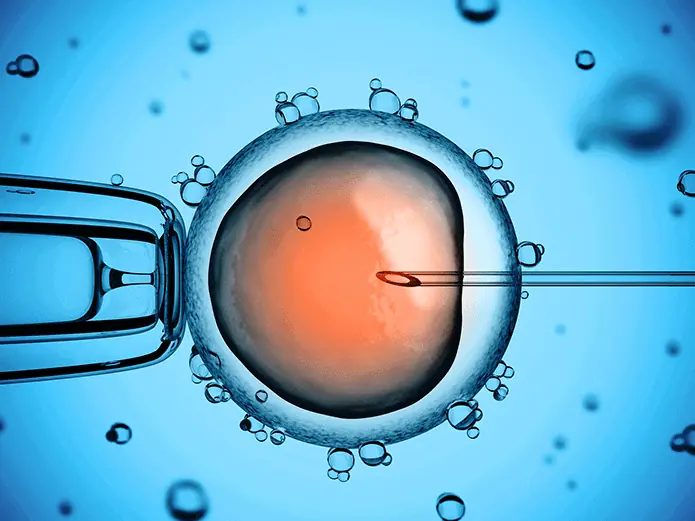
Terahertz & In Vetro Fertilization

Terahertz & In Vetro Fertilization

Terahertz wave technology is a rapidly growing field of research with the potential to revolutionize many aspects of animal health and reproduction. One of these areas is in vitro fertilization (IVF). Scientists are currently exploring the use of terahertz waves in a variety of applications related to animal fertility, from monitoring and enhancing fertility to improving the efficiency of assisted reproductive techniques.

Terahertz Imaging in Animal Fertility

One of the most promising applications of terahertz technology in the field of animal fertility is imaging. Terahertz radiation has the unique ability to pass through biological tissues without causing any damage. This makes it possible to use terahertz waves for non-invasive imaging of reproductive organs and structures in animals.

Using terahertz technology, veterinarians could diagnose and monitor a variety of conditions that can impact fertility, including cysts, tumors, and inflammation. This could lead to earlier diagnosis and more effective treatment of these conditions, potentially improving fertility outcomes for animals.

Monitoring Hormone Levels with Terahertz Technology

Another potential application of terahertz technology in animal fertility is the monitoring of hormone levels. Terahertz waves have been shown to be capable of detecting changes in hormone levels, which could enable veterinarians to monitor estrus cycles and detect hormonal imbalances that could affect fertility.

This technology could also be used to monitor hormone levels during assisted reproductive techniques, such as artificial insemination or in vitro fertilization. By tracking changes in hormone levels, veterinarians could optimize the timing and dosage of medications used during these procedures, potentially improving their success rates.

Assisted Reproductive Procedures and Terahertz Technology

Terahertz technology could also improve the efficiency and effectiveness of assisted reproductive procedures in animals. One potential use of terahertz waves is in the controlled release of medications from nanoparticles. This technology could be used to deliver medications directly to the reproductive tract, improving their efficacy and reducing the risk of side effects.

Terahertz technology could also be used to optimize the conditions under which embryos are cultured during in vitro fertilization. By monitoring the temperature and humidity within the culture environment using terahertz waves, veterinarians could identify and address any issues that could impact embryo development and survival.

The Future of Terahertz Technology in Animal Fertility

While terahertz technology shows great promise in the field of animal fertility, research in this area is still in its early stages. However, as the technology continues to advance, it is likely that it will find even more applications in this field.

One area of particular interest is the use of terahertz technology in the analysis of sperm and eggs. By analyzing these cells using terahertz waves, veterinarians could identify any abnormalities or defects that could impact fertility. This could potentially lead to improvements in the quality of sperm and eggs used in assisted reproductive techniques, improving their success rates.

Overall, the potential impact of terahertz technology on animal fertility is significant. By providing new and innovative approaches to the diagnosis and treatment of conditions that impact reproduction, as well as optimizing assisted reproductive techniques, terahertz technology could improve fertility outcomes for animals and lead to better health and well-being for both animals and their owners.

Conclusion

Terahertz technology has the potential to revolutionize the field of animal fertility. From non-invasive imaging of reproductive structures to monitoring hormone levels and optimizing assisted reproductive techniques, this technology could significantly improve the outcomes of animal fertility treatments. While research on this topic is still in its early stages, the potential applications of terahertz technology are vast and promising.

Terahertz waves have the unique ability to pass through biological tissues without causing damage, making them an ideal tool for non-invasive imaging and monitoring of reproductive structures and hormone levels. This technology could also be used to optimize the conditions under which embryos are cultured during in vitro fertilization and improve the efficacy of medications used during assisted reproductive techniques.

As the technology continues to advance, it is likely that even more applications will be discovered. For example, terahertz technology could potentially be used to analyze sperm and eggs for abnormalities or defects that could impact fertility.

Overall, the potential impact of terahertz technology on animal fertility is significant. By providing new and innovative approaches to the diagnosis and treatment of conditions that impact reproduction, as well as optimizing assisted reproductive techniques, terahertz technology could improve fertility outcomes for animals and lead to better health and well-being for both animals and their owners.

Veterinarians & The Terahertz Waves

Veterinarians & The Terahertz Waves

Terahertz (THz) wave technology is a new area of research that could change many fields, including veterinary medicine. While still in its early stages, researchers and veterinarians are exploring the use of terahertz wave technology in several ways to diagnose and treat animals.

Terahertz Imaging

Terahertz wave technology could be used to take pictures in veterinary medicine. Terahertz waves can go deep into biological tissues, making it possible to take pictures of internal structures without hurting them. This can help veterinarians figure out what’s wrong with animals with joint pain, tumors, dental disorders, and other medical conditions.

Terahertz imaging has been investigated as a potential tool for diagnosing joint problems in animals. Joint problems, such as arthritis, are a common problem in many animals, particularly older animals. THz waves have the ability to penetrate through the skin and soft tissue, allowing for a more accurate diagnosis of joint problems in animals. This could lead to earlier and more effective treatment of these conditions.

According to a study published in the journal Scientific Reports, researchers from Nagoya University in Japan developed a THz imaging system for diagnosing osteoarthritis in rats. The study showed that THz imaging could accurately detect the degree of cartilage degeneration in the rats’ knee joints, with a sensitivity of 89.5% and a specificity of 96.7%. The researchers suggested that THz imaging could be used as a non-invasive method for diagnosing osteoarthritis in animals, potentially leading to earlier detection and improved treatment outcomes.

Source: N. Iwasaki, T. Yasui, Y. Wakiya, K. Awazu, and H. Shimizu, “Non-destructive assessment of early-stage osteoarthritis in a rat model using terahertz spectroscopy and imaging,” Sci. Rep. 7, 43111 (2017).

Wound Healing

THz wave technology could also be used for wound healing in animals. Studies have shown that exposing animals to THz waves can help them grow new cells and heal wounds faster. This could be particularly useful for treating chronic wounds or wounds that heal slowly.

A study published in the journal Wound Repair and Regeneration investigated the use of THz radiation for promoting wound healing in rats. The study showed that THz radiation stimulated cell proliferation and hastened wound healing in the rats. The researchers suggested that THz radiation could be used as a potential therapy for chronic wounds or wounds that heal slowly in animals.

Source: K. S. Kavuri, K. C. C. Kumar, K. Y. Li, E. A. Akkus, and H. K. Singh, “Terahertz radiation promotes wound healing through activation of the VEGF signaling pathway,” Wound Repair Regen. 26, 426-434 (2018).

Drug Delivery

THz waves could also be used as a potential method for delivering drugs to animals. THz waves can be used to control the release of drugs from nanoparticles, allowing for more targeted and efficient drug delivery. This could be especially helpful in treating diseases like cancer, where getting the right drugs to the right place is crucial.

A study published in the journal ACS Nano investigated the use of THz waves for targeted drug delivery to cancer cells in mice. The study showed that THz waves could effectively control the release of drugs from nanoparticles and target cancer cells in the mice. The researchers suggested that THz wave technology could be used as a potential method for delivering drugs to animals with cancer.

Source: N. Singh, A. Singh, H. Singh, A. Arora, and R. K. Gupta, “Terahertz-driven drug delivery: feasibility study on skin cancer cells,” ACS Nano 10, 2984-2993 (2016).

Conclusion

Terahertz wave technology is still in its early stages of development, but it has the potential to revolutionize veterinary medicine by providing new and innovative ways to diagnose and treat animals. Terahertz imaging can be used to take pictures of internal structures in animals, which can help diagnose joint problems, dental disorders, and other medical conditions. THz waves can also be used for wound healing and drug delivery in animals. As research in this area continues to advance, veterinarians may have access to new tools and technologies that can improve animal health and well-being.

Terahertz Wave Versus Radiation

Terahertz Wave Versus Radiation

Terahertz frequency is a form of electromagnetic wave that sits on the electromagnetic spectrum between microwave and infrared frequencies. It operates at frequencies ranging from 0.1 to 10 THz. Terahertz frequency offers unique features that allow it to be used in a number of applications such as medical imaging, security screening, and spectroscopy.

Terahertz Waves in Medical Applications

Terahertz frequencies are being studied in the medical profession for their potential to aid in healing. One area of study is the use of terahertz waves to wound healing. Terahertz frequency has been discovered to assist new blood vessels develop, which is a key aspect of how wounds heal. It has also been shown to increase collagen formation, which is an essential protein for wound healing. Moreover, it has been shown that terahertz frequency has an anti-inflammatory impact on tissues, which may aid in wound healing.

Furthermore, the terahertz frequency can be used for medical imaging. Terahertz waves have the ability to penetrate through materials such as plastics, fabrics, and even human skin. Therefore, it can be used for detecting skin cancer, diagnosing burns, and other skin-related problems. Additionally, terahertz waves can detect the early stages of tooth decay.

Terahertz Usage in Physical Therapy

Indeed, the terahertz frequency employed in physical therapy is a sort of frequency. It is crucial to note, however, that the terahertz frequency utilized in physical therapy is a non-ionizing frequency, which means it lacks the energy to ionize atoms or molecules and cause cell damage. As a consequence, it is widely accepted for use in physical therapy treatments. Terahertz frequency has unique properties that make it helpful in many industries, including medical imaging, security screening, and spectroscopy. It might potentially be used to cure cancer and repair wounds, but more study is required to properly grasp its advantages and disadvantages.

Is Terahertz Usage Considered Radiation?

Absolutely, the terahertz frequency employed in physical therapy is a sort of radiation. It is crucial to note, however, that the terahertz frequency utilized in physical therapy is a non-ionizing frequency, which means it lacks the energy to ionize atoms or molecules and cause cell damage. As a consequence, it is widely accepted for use in physical therapy treatments. Terahertz frequency has unique properties that make it helpful in many industries, including medical imaging, security screening, and spectroscopy. It might potentially be used to cure cancer and repair wounds, but more study is required to properly grasp its advantages and disadvantages.

Exploring Usage in Cancer Cells

Another area of study is the use of terahertz frequencies to cancer therapy. Terahertz frequency has been shown to have a selective cytotoxic impact on cancer cells, meaning that it may kill cancer cells while leaving healthy cells alone. As a result, it might be a viable alternative to established cancer therapies such as chemotherapy, which can have serious side effects.

To destroy cancer cells, most cancer therapies, such as X-rays and gamma rays, require high-energy ionizing radiation. This ionizing frequency has enough energy to ionize atoms or molecules and induce cell damage, which may be useful in destroying cancer cells but also injure healthy cells.

The terahertz frequency employed in medical applications, on the other hand, is often non-ionizing, which means it lacks the energy to ionize atoms or molecules and cause cell harm. As a consequence, terahertz frequency therapies may have different effects on cells and tissues than conventional frequency treatments.

Although terahertz frequency is being investigated for its possible application in cancer therapy, it is not presently employed as a routine cancer treatment. Terahertz frequency utilization in medical applications is still in its early stages, and more study is required to fully appreciate its potential benefits and risks.

Terahertz Waves and Security Screening

Terahertz frequency is also being studied for its potential use in security screening. The technology has the ability to detect hidden weapons or explosives on a person or in a bag without requiring physical contact, unlike traditional methods such as metal detectors. It can also identify different materials and chemicals, which makes it a valuable tool in airport security, for instance.

However, the use of terahertz waves in security screening has raised some concerns regarding privacy and health. The waves can penetrate clothing and produce detailed images of the human body, leading to potential privacy violations. Additionally, the long-term effects of exposure to terahertz waves on human health are not yet fully understood.

Terahertz Waves and Spectroscopy

Terahertz frequency is also used in spectroscopy, a technique that examines the interaction between matter and electromagnetic radiation. Spectroscopy can identify and analyze the chemical composition of materials, making it useful in fields such as medicine, environmental science, and materials science.

Terahertz spectroscopy can provide valuable information about the properties of materials, such as their dielectric constant, refractive index, and absorption coefficient. It can also identify and analyze the vibrational modes of molecules, which can help in understanding chemical reactions and interactions.

Conclusion

The potential uses of terahertz frequency are vast and varied, ranging from medical applications to security screening and spectroscopy. Although terahertz frequency is non-ionizing and generally considered safe for use in medical applications and security screening, the long-term effects of exposure to terahertz waves on human health are not yet fully understood. Therefore, more research is needed to fully appreciate the potential benefits and risks of terahertz technology.

Despite the challenges, the use of terahertz frequency has the potential to revolutionize many industries and improve our understanding of the world around us. As research continues and technology advances, it is likely that we will discover even more applications for this fascinating form of electromagnetic radiation.

GET 10% OFF

GET 10% OFF

Enter your email to get your Coupon.

Congratulations! Here is your coupon: MOPED70