
Do Nutritional Supplements Really Help?

Do Nutritional Supplements Really Help?

Supplements are widely available in various forms, including pills, powders, and liquids. They are intended to supplement the nutrients that people get from their diet. Nutritional supplements are becoming increasingly popular in today’s world as people seek ways to improve their overall health and wellness. There is a significant debate over the benefits and risks of using dietary supplements. In this article, we will explore the benefits of taking supplements and how Wellcare World can help individuals receive maximum health benefits.

Advantages of Nutritional Supplements

Nutritional supplements have a range of advantages, including the following:

Improved Nutrient Intake

Supplements provide an easy way to get the nutrients that people need without consuming excess calories. People can be deficient in specific vitamins and minerals due to dietary restrictions or other factors. Taking supplements can help fill these gaps.

Increased Immune System Function

The immune system is responsible for protecting the body from infections and diseases. Some supplements, such as vitamin C and zinc, have been shown to support immune system function, which can help reduce the severity and duration of colds and other illnesses.

Decreased Inflammation

Inflammation is the body’s response to infection or injury, and it is essential for healing. However, chronic inflammation is associated with several health problems, including heart disease, cancer, and diabetes. Omega-3 fatty acids, found in fish oil supplements, have been shown to reduce inflammation in the body, which may help reduce the risk of chronic disease.

Improved Bone Health

Calcium and vitamin D are essential for strong bones, and many people do not get enough of these nutrients in their diet. Supplements can help improve bone density and reduce the risk of osteoporosis.

Improved Mental Health

Several studies have suggested that supplements can improve mood and cognitive function. Omega-3 fatty acids, for example, have been shown to reduce symptoms of depression and anxiety.

Does Timing Matter?

Supplements are a convenient way to fill nutritional gaps and support overall health and wellness. While they can be beneficial, it’s essential to take them at the right time for optimal results.

The timing of supplement intake can affect their absorption and effectiveness. For example, some supplements should be taken with food to enhance their absorption, while others should be taken on an empty stomach to avoid interactions with other nutrients.

Vitamin D, for instance, is a fat-soluble vitamin that should be taken with food to improve its absorption. It’s also important to take calcium supplements with food to aid absorption and prevent stomach upset.

Iron supplements, on the other hand, should be taken on an empty stomach to ensure maximum absorption. Calcium, zinc, and magnesium can interfere with iron absorption, so it’s best to take iron supplements separately from these minerals.

Probiotics are another type of supplement that should be taken at the right time. These beneficial bacteria can help support gut health, but their effectiveness can be reduced by stomach acid. Taking probiotics on an empty stomach can help them bypass stomach acid and reach the intestines, where they can do their work.

It’s also important to consider the time of day when taking certain supplements. For example, some supplements, such as melatonin, should be taken at night to promote sleep, while others, such as B-complex vitamins, are better taken in the morning to help boost energy levels

The Importance of Dosage and Conclusion

In addition to timing, it’s crucial to follow the recommended dosage and not exceed it unless under medical supervision. Some supplements can be harmful in high doses, such as vitamin A, which can be toxic to the liver.

Conclusion

While supplements can offer many benefits, they are not a substitute for a healthy diet and lifestyle. People should consume a well-balanced diet that includes plenty of fruits, vegetables, whole grains, lean protein, and healthy fats. Regular exercise, adequate sleep, and stress management are also essential for maintaining good health. Taking your supplements at the right time is essential for their maximum absorption and effectiveness. It’s also crucial to follow the recommended dosage and NOT exceed it without medical supervision.

Animals Loving The Terahertz Wave

Animals Loving The Terahertz Wave

Terahertz (THz) wave technology is a new area of research that could change many fields, including veterinary medicine. Although still in its early stages, researchers and veterinarians are exploring the use of terahertz wave technology in several ways to diagnose and treat animals. However, in addition to terahertz wave technology, there are alternative medical treatments that have been shown to have positive effects on animals.

Acupuncture

Acupuncture is a traditional Chinese medicine that has been used for thousands of years to treat various conditions in both humans and animals. It involves the insertion of thin needles into specific points on the body to stimulate the nervous system, muscles, and connective tissue. Acupuncture can help with conditions like arthritis, back pain, and gastrointestinal disorders.

Research has shown that acupuncture can be effective in treating animals with various medical conditions. For example, a study published in the journal Acta Veterinaria Scandinavica showed that acupuncture can help reduce pain in dogs with hip dysplasia, a condition that affects the hip joint and can cause pain and lameness in dogs.

Source: E. V. Hielm-Bjorkman, J. Kuusela, and H. H. Liman, “Acupuncture for chronic pain in dogs: a qualitative interview study of dog owners,” Acta Vet. Scand. 57, 12 (2015).

Chiropractic Care

Chiropractic care involves the manipulation of the spine and other joints to alleviate pain and improve overall health. Chiropractors use hands-on techniques to adjust the joints and improve their function. Chiropractic care can help with conditions like back pain, neck pain, and musculoskeletal problems.

Research has shown that chiropractic care can be effective in treating animals with various medical conditions. For example, a study published in the journal Chiropractic and Manual Therapies showed that chiropractic care can help reduce pain and improve mobility in dogs with spinal cord injuries.

Source: A. L. McKiernan, J. J. Lewis, L. E. Smith, M. P. Wright, and K. M. Chaffin, “Chiropractic management of a dog with paraparesis and fecal incontinence associated with suspected cauda equina syndrome,” Chiropr. Man. Therap. 27, 18 (2019).

Herbal Medicine

Herbal medicine involves the use of plants and plant extracts to treat various conditions in both humans and animals. Herbal medicine can help with conditions like anxiety, arthritis, and digestive problems. Herbal remedies can be prepared in different forms, such as teas, tinctures, and capsules.

Research has shown that herbal medicine can be effective in treating animals with various medical conditions. For example, a study published in the journal Journal of Veterinary Pharmacology and Therapeutics showed that an herbal remedy called Sho-saiko-to can help reduce liver inflammation in dogs with liver disease.

Source: N. Kawamura, Y. Seki, Y. Takeda, M. Kikuchi, and Y. Shimada, “The Japanese herbal medicine sho-saiko-to inhibits the progression of liver fibrosis in rat,” J. Vet. Pharmacol. Ther. 25, 341-348 (2002)

Massage Therapy

Massage therapy involves the manipulation of muscles and soft tissues to alleviate pain and promote relaxation. Massage therapy can help with conditions like anxiety, arthritis, and muscle injuries. Massage therapists use hands-on techniques to apply pressure to the muscles and promote healing.

Research has shown that massage therapy can be effective in treating animals with various medical conditions. For example, a study published in the journal Journal of the American Veterinary Medical Association showed that massage therapy can help reduce pain and improve mobility in dogs with osteoarthritis, a condition that affects the joints and can cause pain and stiffness in dogs.

Source: J. C. Coates, J. W. Donnelly, C. B. Pijanowski, and T. L. Hoskinson, “Effects of massage on pain, mood, and quality of life in dogs with osteoarthritis,” J. Am. Vet. Med. Assoc. 248, 1298-1304 (2016).

Conclusion

Alternative medical treatments can be effective in treating animals with various medical conditions. Acupuncture, chiropractic care, herbal medicine, and massage therapy are just a few examples of alternative treatments that can improve the health and well-being of animals. While terahertz wave technology is still in its early stages in veterinary medicine, alternative treatments like these have already shown positive results. By exploring new technologies and alternative treatments, veterinarians can provide more effective and comprehensive care for animals.

Is the Colon the ‘Second Brain’

Is the Colon the ‘Second Brain’

The Colon-Brain Connection

The colon, also known as the large intestine, is an essential part of the digestive system. Its primary functions include digesting food, absorbing nutrients, and eliminating waste from the body. While the colon may not be a brain, it still plays a vital role in overall health, including mental health.

The colon has often been referred to as the “second brain,” mainly due to the enteric nervous system (ENS) found in the gut. The ENS is a complex network of neurons that controls and regulates the digestive system independently of the central nervous system (CNS). The ENS has approximately 500 million neurons, which is more than the spinal cord or peripheral nervous system.

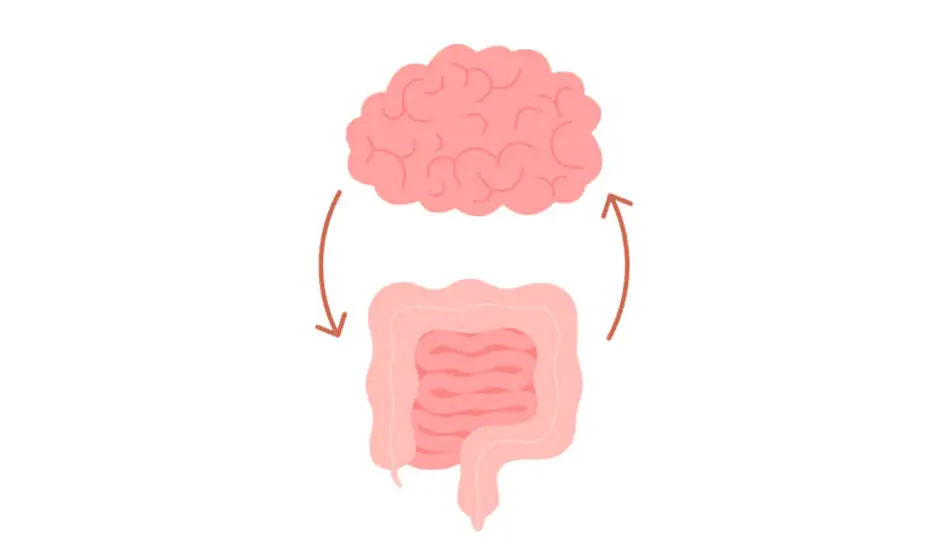
The ENS can sense changes in the gut environment and initiate appropriate responses without CNS input, making it a crucial component of digestive health. The ENS also communicates with the CNS, which can influence and be influenced by emotional states. This communication has been called the gut-brain axis and is the basis for the relationship between the colon and mental health.

The Gut-Brain Axis and Mental Health

Research has shown that there is a strong connection between the gut and the brain. The gut-brain axis is a bidirectional communication system between the gastrointestinal tract and the CNS. The gut can send signals to the brain, and the brain can send signals to the gut, influencing each other’s function.

Studies have suggested that disturbances in the gut microbiota composition can lead to changes in behavior and cognitive function. Gut bacteria produce neurotransmitters, such as serotonin and dopamine, that affect mood and behavior. Serotonin, for example, is known as the “feel-good” neurotransmitter and is responsible for regulating mood, appetite, and sleep.

Approximately 90% of serotonin is produced in the gut, highlighting the importance of gut health in mental health. Studies have also shown a link between gut inflammation and the development of depression and anxiety.

A poorly functioning colon can cause inflammation, leading to an imbalance in the gut microbiota and increased permeability of the gut lining. This imbalance can result in systemic inflammation, which has been linked to numerous mental health disorders.

Research has shown that individuals with irritable bowel syndrome (IBS), a common digestive disorder that affects the colon, have a higher prevalence of depression and anxiety compared to those without IBS. Furthermore, treating IBS symptoms can improve mental health outcomes.

Maintaining Colon Health

Maintaining a healthy colon is essential for overall health, including mental health. Here are some tips for keeping the colon in top shape:

1. Eat a high-fiber diet.

Fiber is essential for promoting regular bowel movements, preventing constipation, and nourishing the good bacteria in the gut. A diet high in fiber includes whole grains, fruits, vegetables, legumes, nuts, and seeds.

2. Drink plenty of water.

Dehydration can worsen constipation, making it essential to drink enough water. The Institute of Medicine recommends that men drink at least 3.7 liters of water per day, and women drink at least 2.7 liters per day.

3. Exercise regularly.

Regular exercise can help promote bowel regularity and prevent constipation. Exercise can also reduce stress, which can positively impact gut health.

4. Avoid smoking and excessive alcohol consumption.

Smoking and excessive alcohol consumption can harm the gut microbiota and lead to inflammation in the colon. Quitting smoking and consuming alcohol in moderation can help maintain colon health.

5. Probiotics, Prebiotics, and Seeking Medical Advice

Prebiotics are indigestible fibers that promote the growth of beneficial bacteria in the gut. Both probiotics and prebiotics can help improve gut health in some circumstances. However, before starting any new supplement or making significant changes to your diet or exercise routine, it is important to consult with a healthcare practitioner.

Furthermore, if you are experiencing digestive symptoms such as constipation, diarrhea, abdominal pain, or bloating, it is essential to seek medical advice. These symptoms may indicate an underlying condition that requires treatment.

In addition to these tips, reducing stress is also essential for maintaining colon health. Chronic stress can harm the gut microbiota and lead to inflammation in the colon. Techniques such as mindfulness meditation, deep breathing, and yoga can help reduce stress and promote gut health.

Conclusion

The colon is an essential part of the digestive system, responsible for digesting food, absorbing nutrients, and eliminating waste from the body. While it may not be a brain, the colon plays a crucial role in overall health, including mental health. The gut-brain axis is a bidirectional communication system between the gut and the brain, which can influence and be influenced by emotional states.

Maintaining colon health through a high-fiber diet, regular exercise, adequate hydration, and avoiding smoking and excessive alcohol consumption can help support gut health and mental health. Probiotics and prebiotics may be useful in some circumstances, but it is important to consult with a healthcare practitioner before starting any new supplement or making significant changes to your diet or exercise routine.

By taking care of your colon health, you can help support overall health and well-being, including mental health. Remember, if you are experiencing digestive symptoms, seeking medical advice is essential to identify and treat any underlying conditions.

GET 10% OFF

GET 10% OFF

Enter your email to get your Coupon.

Congratulations! Here is your coupon: MOPED70