Terahertz & In Vetro Fertilization

Terahertz & In Vetro Fertilization

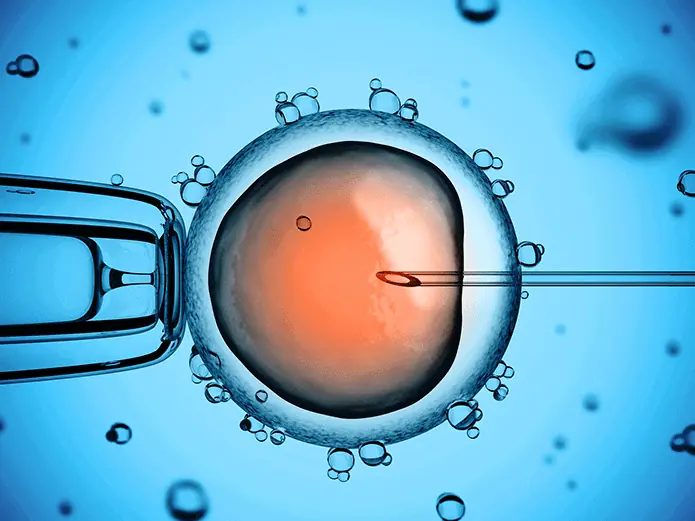
Terahertz wave technology is a rapidly growing field of research with the potential to revolutionize many aspects of animal health and reproduction. One of these areas is in vitro fertilization (IVF). Scientists are currently exploring the use of terahertz waves in a variety of applications related to animal fertility, from monitoring and enhancing fertility to improving the efficiency of assisted reproductive techniques.

Terahertz Imaging in Animal Fertility

One of the most promising applications of terahertz technology in the field of animal fertility is imaging. Terahertz radiation has the unique ability to pass through biological tissues without causing any damage. This makes it possible to use terahertz waves for non-invasive imaging of reproductive organs and structures in animals.

Using terahertz technology, veterinarians could diagnose and monitor a variety of conditions that can impact fertility, including cysts, tumors, and inflammation. This could lead to earlier diagnosis and more effective treatment of these conditions, potentially improving fertility outcomes for animals.

Monitoring Hormone Levels with Terahertz Technology

Another potential application of terahertz technology in animal fertility is the monitoring of hormone levels. Terahertz waves have been shown to be capable of detecting changes in hormone levels, which could enable veterinarians to monitor estrus cycles and detect hormonal imbalances that could affect fertility.

This technology could also be used to monitor hormone levels during assisted reproductive techniques, such as artificial insemination or in vitro fertilization. By tracking changes in hormone levels, veterinarians could optimize the timing and dosage of medications used during these procedures, potentially improving their success rates.

Assisted Reproductive Procedures and Terahertz Technology

Terahertz technology could also improve the efficiency and effectiveness of assisted reproductive procedures in animals. One potential use of terahertz waves is in the controlled release of medications from nanoparticles. This technology could be used to deliver medications directly to the reproductive tract, improving their efficacy and reducing the risk of side effects.

Terahertz technology could also be used to optimize the conditions under which embryos are cultured during in vitro fertilization. By monitoring the temperature and humidity within the culture environment using terahertz waves, veterinarians could identify and address any issues that could impact embryo development and survival.

The Future of Terahertz Technology in Animal Fertility

While terahertz technology shows great promise in the field of animal fertility, research in this area is still in its early stages. However, as the technology continues to advance, it is likely that it will find even more applications in this field.

One area of particular interest is the use of terahertz technology in the analysis of sperm and eggs. By analyzing these cells using terahertz waves, veterinarians could identify any abnormalities or defects that could impact fertility. This could potentially lead to improvements in the quality of sperm and eggs used in assisted reproductive techniques, improving their success rates.

Overall, the potential impact of terahertz technology on animal fertility is significant. By providing new and innovative approaches to the diagnosis and treatment of conditions that impact reproduction, as well as optimizing assisted reproductive techniques, terahertz technology could improve fertility outcomes for animals and lead to better health and well-being for both animals and their owners.


Conclusion

Terahertz technology has the potential to revolutionize the field of animal fertility. From non-invasive imaging of reproductive structures to monitoring hormone levels and optimizing assisted reproductive techniques, this technology could significantly improve the outcomes of animal fertility treatments. While research on this topic is still in its early stages, the potential applications of terahertz technology are vast and promising.

Terahertz waves have the unique ability to pass through biological tissues without causing damage, making them an ideal tool for non-invasive imaging and monitoring of reproductive structures and hormone levels. This technology could also be used to optimize the conditions under which embryos are cultured during in vitro fertilization and improve the efficacy of medications used during assisted reproductive techniques.

As the technology continues to advance, it is likely that even more applications will be discovered. For example, terahertz technology could potentially be used to analyze sperm and eggs for abnormalities or defects that could impact fertility.

Overall, the potential impact of terahertz technology on animal fertility is significant. By providing new and innovative approaches to the diagnosis and treatment of conditions that impact reproduction, as well as optimizing assisted reproductive techniques, terahertz technology could improve fertility outcomes for animals and lead to better health and well-being for both animals and their owners.

Cows Milk Production and Terahertz

Cows Milk Production and Terahertz

Terahertz wave technology is a relatively new and exciting field that has shown great potential in the agricultural industry. It is a type of electromagnetic radiation that lies between the microwave and infrared regions of the electromagnetic spectrum. Terahertz waves have the ability to penetrate materials such as paper, plastic, and even biological tissue, making them an ideal tool for analysis and quality control in a variety of industries, including food science and agriculture.

Terahertz Waves and Milk Analysis

One of the most promising applications of terahertz wave technology in agriculture is in the analysis of milk. Milk is a complex mixture of various compounds, including water, fat, protein, lactose, vitamins, and minerals. The composition of milk can vary depending on a variety of factors, such as the breed of cow, the animal’s diet, and the stage of lactation.

Traditionally, milk analysis has been done using methods such as chromatography and spectroscopy, which can be time-consuming and expensive. However, terahertz waves offer a faster and more cost-effective alternative. Terahertz waves can be used to determine the percentages of fat, protein, and water in milk, as well as detect impurities such as antibiotics or infections.

Research has shown that terahertz waves can be used to accurately measure the fat and protein content of milk. In a study published in the journal Food Chemistry, researchers used terahertz spectroscopy to analyze the composition of raw and processed milk samples. They found that terahertz waves could accurately determine the fat and protein content of milk, with an error rate of less than 1%. This suggests that terahertz technology could be a useful tool for dairy farmers to ensure the quality and safety of their milk products.

In addition, terahertz waves have been used to detect impurities in milk. In a study published in the journal Scientific Reports, researchers used terahertz imaging to detect the presence of antibiotics in milk. They found that terahertz waves could distinguish between milk samples with and without antibiotics, suggesting that terahertz technology could be used as a tool for screening milk for antibiotic residues.

Terahertz Waves and Plant Growth

Another potential application of terahertz wave technology in agriculture is in the stimulation of plant growth and yield. Terahertz waves have been shown to affect the growth and development of plants in a variety of ways.

Studies have demonstrated that exposing seeds to terahertz radiation can increase the rate of germination and growth of the seeds, as well as the quantity and quality of the crops grown from those seeds. For example, a study published in the journal Scientific Reports found that exposing rice seeds to terahertz radiation increased the rate of germination, as well as the yield and quality of the rice crops grown from those seeds.

Terahertz waves have also been shown to affect the growth and development of plant roots. In a study published in the journal Scientific Reports, researchers exposed wheat seedlings to terahertz radiation and found that it increased the length and surface area of the roots. This suggests that terahertz waves could be used to improve the growth and development of crop plants, leading to higher yields and better quality crops.

Terahertz Waves and Cow Milk Production

While there has been limited research on the use of terahertz wave technology specifically for the production of milk in animals, While there has been limited research on the use of terahertz wave technology specifically for the production of milk in animals, there is reason to believe that it could have a similar effect on milk production as it does on plant agriculture. This is because the quality and quantity of animal feed can have a direct impact on the health and productivity of dairy cows. By using terahertz waves to stimulate plant growth and improve the quality of animal feed, it is possible that milk production in cows could be increased. In addition, terahertz wave technology could be used to analyze the composition and quality of milk, ensuring that dairy farmers are producing safe and high-quality milk products.

The Future of Terahertz Wave Technology in Agriculture

The potential applications of terahertz wave technology in agriculture are numerous and exciting. In addition to milk analysis and plant growth stimulation, terahertz waves could also be used for pest control, disease detection, and soil analysis.

However, there are still some challenges to overcome before terahertz technology can be widely adopted in the agricultural industry. One of the main challenges is the cost of terahertz equipment, which is currently quite high. In addition, more research is needed to determine the optimal frequencies and doses of terahertz radiation for different crops and animals.

Despite these challenges, there is no doubt that terahertz wave technology has the potential to revolutionize agriculture and help address some of the biggest challenges facing the industry, such as food security, sustainability, and climate change.

Conclusion

Terahertz wave technology is a relatively new and exciting field that has shown great promise in the agricultural industry. While there has been limited research on the use of terahertz waves specifically for milk production in animals, there is reason to believe that it could have a similar effect on milk production as it does on plant agriculture.

Terahertz waves have already been shown to be effective in analyzing the composition and quality of milk, as well as stimulating plant growth and improving crop yields. By using terahertz technology to improve the quality of animal feed, it is possible that milk production in cows could be increased, leading to higher productivity and profitability for dairy farmers.

While there are still some challenges to overcome before terahertz technology can be widely adopted in agriculture, the potential applications of this technology are numerous and exciting. With further research and development, terahertz wave technology could revolutionize the agricultural industry and help address some of the biggest challenges facing our global food system.

Terahertz Wave Versus Radiation

Terahertz Wave Versus Radiation

Terahertz frequency is a form of electromagnetic wave that sits on the electromagnetic spectrum between microwave and infrared frequencies. It operates at frequencies ranging from 0.1 to 10 THz. Terahertz frequency offers unique features that allow it to be used in a number of applications such as medical imaging, security screening, and spectroscopy.

Terahertz Waves in Medical Applications

Terahertz frequencies are being studied in the medical profession for their potential to aid in healing. One area of study is the use of terahertz waves to wound healing. Terahertz frequency has been discovered to assist new blood vessels develop, which is a key aspect of how wounds heal. It has also been shown to increase collagen formation, which is an essential protein for wound healing. Moreover, it has been shown that terahertz frequency has an anti-inflammatory impact on tissues, which may aid in wound healing.

Furthermore, the terahertz frequency can be used for medical imaging. Terahertz waves have the ability to penetrate through materials such as plastics, fabrics, and even human skin. Therefore, it can be used for detecting skin cancer, diagnosing burns, and other skin-related problems. Additionally, terahertz waves can detect the early stages of tooth decay.

Terahertz Usage in Physical Therapy

Indeed, the terahertz frequency employed in physical therapy is a sort of frequency. It is crucial to note, however, that the terahertz frequency utilized in physical therapy is a non-ionizing frequency, which means it lacks the energy to ionize atoms or molecules and cause cell damage. As a consequence, it is widely accepted for use in physical therapy treatments. Terahertz frequency has unique properties that make it helpful in many industries, including medical imaging, security screening, and spectroscopy. It might potentially be used to cure cancer and repair wounds, but more study is required to properly grasp its advantages and disadvantages.

Is Terahertz Usage Considered Radiation?

Absolutely, the terahertz frequency employed in physical therapy is a sort of radiation. It is crucial to note, however, that the terahertz frequency utilized in physical therapy is a non-ionizing frequency, which means it lacks the energy to ionize atoms or molecules and cause cell damage. As a consequence, it is widely accepted for use in physical therapy treatments. Terahertz frequency has unique properties that make it helpful in many industries, including medical imaging, security screening, and spectroscopy. It might potentially be used to cure cancer and repair wounds, but more study is required to properly grasp its advantages and disadvantages.

Exploring Usage in Cancer Cells

Another area of study is the use of terahertz frequencies to cancer therapy. Terahertz frequency has been shown to have a selective cytotoxic impact on cancer cells, meaning that it may kill cancer cells while leaving healthy cells alone. As a result, it might be a viable alternative to established cancer therapies such as chemotherapy, which can have serious side effects.

To destroy cancer cells, most cancer therapies, such as X-rays and gamma rays, require high-energy ionizing radiation. This ionizing frequency has enough energy to ionize atoms or molecules and induce cell damage, which may be useful in destroying cancer cells but also injure healthy cells.

The terahertz frequency employed in medical applications, on the other hand, is often non-ionizing, which means it lacks the energy to ionize atoms or molecules and cause cell harm. As a consequence, terahertz frequency therapies may have different effects on cells and tissues than conventional frequency treatments.

Although terahertz frequency is being investigated for its possible application in cancer therapy, it is not presently employed as a routine cancer treatment. Terahertz frequency utilization in medical applications is still in its early stages, and more study is required to fully appreciate its potential benefits and risks.

Terahertz Waves and Security Screening

Terahertz frequency is also being studied for its potential use in security screening. The technology has the ability to detect hidden weapons or explosives on a person or in a bag without requiring physical contact, unlike traditional methods such as metal detectors. It can also identify different materials and chemicals, which makes it a valuable tool in airport security, for instance.

However, the use of terahertz waves in security screening has raised some concerns regarding privacy and health. The waves can penetrate clothing and produce detailed images of the human body, leading to potential privacy violations. Additionally, the long-term effects of exposure to terahertz waves on human health are not yet fully understood.

Terahertz Waves and Spectroscopy

Terahertz frequency is also used in spectroscopy, a technique that examines the interaction between matter and electromagnetic radiation. Spectroscopy can identify and analyze the chemical composition of materials, making it useful in fields such as medicine, environmental science, and materials science.

Terahertz spectroscopy can provide valuable information about the properties of materials, such as their dielectric constant, refractive index, and absorption coefficient. It can also identify and analyze the vibrational modes of molecules, which can help in understanding chemical reactions and interactions.

Conclusion

The potential uses of terahertz frequency are vast and varied, ranging from medical applications to security screening and spectroscopy. Although terahertz frequency is non-ionizing and generally considered safe for use in medical applications and security screening, the long-term effects of exposure to terahertz waves on human health are not yet fully understood. Therefore, more research is needed to fully appreciate the potential benefits and risks of terahertz technology.

Despite the challenges, the use of terahertz frequency has the potential to revolutionize many industries and improve our understanding of the world around us. As research continues and technology advances, it is likely that we will discover even more applications for this fascinating form of electromagnetic radiation.

The Physics of Terahertz

The Physics of Terahertz

Terahertz (THz) waves, also known as T-rays, are a type of electromagnetic radiation that have a frequency range between 0.1 and 10 THz. Terahertz technology has been studied for many years, and research has shown that these waves have unique properties that make them useful for many applications. In this article, we will explore the physics of terahertz waves and their potential applications in different fields.

The Physics of Terahertz Waves

Terahertz waves are a type of electromagnetic radiation that consist of electric and magnetic fields that oscillate perpendicular to each other and to the direction of wave propagation. They have a relatively long wavelength (ranging from 30 micrometers to 3 millimeters), and they lie between the infrared and microwave regions of the electromagnetic spectrum.

The physics of terahertz waves is based on the fundamental principles of electromagnetism. These waves are produced by accelerating charged particles or by transitions between energy states in atoms or molecules. The frequency of terahertz waves is related to the energy difference between these energy states.

One important characteristic of terahertz waves is their ability to interact with matter in unique ways. Unlike higher-energy radiation, such as X-rays or gamma rays, terahertz waves are not ionizing, which means they do not break apart molecules or cause damage to living tissues. Instead, they can penetrate many materials, such as plastics, paper, and textiles, while being absorbed by others, such as water, metals, and semiconductors.

The absorption and transmission of terahertz waves depend on the material’s chemical composition and structure, as well as the properties of the wave itself. The amplitude of terahertz waves can also be modulated, which makes them useful for communication applications.

The Applications of Terahertz Technology

Terahertz technology has numerous potential applications in different fields due to its unique properties. Some of the most promising applications of terahertz technology are discussed below.

Imaging and Sensing

One of the most promising applications of terahertz technology is in imaging and sensing. Terahertz waves can penetrate many materials, making them useful for non-destructive testing and imaging applications. They can also be used to detect chemical and biological agents, as well as to identify and characterize the composition and structure of materials.

In medicine, terahertz waves can be used to detect and diagnose skin cancer and other diseases. They can also be used to monitor the water content of skin, which is useful in cosmetic and dermatological applications.

In addition, terahertz waves can be used to detect concealed weapons and explosives, making them useful for security applications.

Material Science

Another area of application for terahertz technology is in material science. Terahertz waves can be used to study the properties of materials, such as the electrical and thermal conductivity, the dielectric constant, and the refractive index. They can also be used to study the molecular dynamics of materials, which is important in fields such as condensed matter physics, chemistry, and materials science.

Terahertz technology has the potential to revolutionize the field of material science by providing new tools for studying and manipulating the properties of materials.

Communication

Terahertz waves can also be used for communication applications. They have the potential to provide high-bandwidth wireless communication that is faster than existing wireless technologies. Terahertz waves can also be used for short-range communication applications, such as wireless connections between devices in a room or in a building.

However, there are some challenges to using terahertz waves for communication. Terahertz waves have a shorter range than other wireless technologies, such as Wi-Fi and Bluetooth. In addition, they are easily absorbed by water vapor, which can limit their usefulness in outdoor environments.

Despite these challenges, researchers are exploring new ways to use terahertz waves for communication applications. For example, they are investigating the use of metasurfaces and other materials that can manipulate the properties of terahertz waves to improve their range and performance.

Conclusion

The physics of terahertz waves is a fascinating area of research that has many potential applications in different fields, including imaging, sensing, material science, and communication. Terahertz waves have unique properties that make them useful for non-destructive testing and imaging applications, as well as for studying the properties of materials and molecules. They also have the potential to provide high-bandwidth wireless communication that is faster than existing wireless technologies.

While there are still challenges to using terahertz technology in some applications, researchers are making progress in developing new materials and techniques that can overcome these challenges. With continued research and development, terahertz technology has the potential to revolutionize many different fields and improve our understanding of the world around us.

Terahertz What Does It Mean To Modern Medicine?

Terahertz What Does It Mean To Modern Medicine?

Terahertz (THz) technology is a relatively new and rapidly advancing field that has the potential to revolutionize modern medicine. THz waves lie in the electromagnetic spectrum between microwave and infrared radiation, with frequencies ranging from 0.1 THz to 10 THz. These waves can penetrate a wide range of materials, including biological tissues, making them particularly useful in medical applications. In this article, we will explore how THz technology is transforming the field of medicine and discuss some of its potential applications.

Terahertz Imaging

One of the most promising applications of THz technology in medicine is in the field of medical imaging. THz imaging is a non-invasive technique that can produce high-resolution images of biological tissues without the use of ionizing radiation, which can be harmful to the patient. THz waves can pass through many materials, including plastic, wood, paper, and fabrics, making it an excellent tool for examining tissues without destroying the sample.

In medical imaging, THz waves can be used to differentiate between healthy and diseased tissue, as different tissues have different absorption and scattering properties. For example, THz imaging can detect differences in the water content of tissues, which can be used to detect tumors, as cancerous tissue typically has a higher water content than healthy tissue.

THz imaging has already been used in several medical applications. For example, THz imaging has been used to examine teeth and detect cavities without the need for X-rays. Additionally, THz imaging has been used to examine skin lesions and detect melanoma, the deadliest form of skin cancer.

Terahertz Spectroscopy

THz spectroscopy is another promising application of THz technology in medicine. THz spectroscopy is a non-destructive method that can be used to analyze the vibrational modes of molecules in a sample. This technique can be used to identify and quantify compounds in biological samples, making it useful for drug development and disease diagnosis.

One application of THz spectroscopy in medicine is the detection of glucose levels in blood samples. Diabetes is a chronic disease characterized by high blood sugar levels, and monitoring glucose levels is critical for the management of diabetes. THz spectroscopy has been shown to be an effective technique for detecting glucose in blood samples, providing a potential alternative to the traditional methods of blood glucose monitoring.

THz spectroscopy can also be used in drug development. By analyzing the composition and structure of medicinal compounds, researchers can optimize the formulation and delivery of drugs. THz spectroscopy has also been used to study protein structures, which can aid in the design of new drugs and the understanding of various diseases.

Terahertz Radiation Therapy

THz radiation therapy is a novel technique that has the potential to revolutionize cancer treatment. THz waves have been shown to have the ability to kill cancer cells while leaving healthy cells unharmed. This is because cancer cells absorb more THz radiation than healthy cells, making them more susceptible to radiation damage.

THz radiation therapy has several advantages over traditional radiation therapy. Traditional radiation therapy uses high-energy X-rays or gamma rays, which can damage healthy tissues as well as cancerous tissues. THz radiation therapy, on the other hand, uses low-energy THz waves that are more selective in targeting cancerous tissues. This means that THz radiation therapy can be more effective in treating cancer while minimizing side effects.

THz radiation therapy has also been shown to be effective in the treatment of skin disorders such as psoriasis. Psoriasis is a chronic skin condition characterized by the rapid growth of skin cells, leading to the formation of red, scaly patches. THz radiation has been shown to be effective in reducing the inflammation associated with psoriasis, making it a potential alternative to traditional treatments.

Future Applications of THz Technology in Medicine

The potential applications of THz technology in medicine are vast and still being explored. One potential application is in the detection of bacterial infections. Bacterial infections can be difficult to diagnose, as they often present with non-specific symptoms. THz technology could potentially be used to detect the presence of bacteria by analyzing the THz absorption spectra of bacterial samples.

Another potential application is in the detection of Alzheimer’s disease. Alzheimer’s disease is a progressive neurodegenerative disease characterized by the accumulation of beta-amyloid plaques in the brain. THz technology has been shown to be effective in detecting these plaques in vitro, providing a potential diagnostic tool for Alzheimer’s disease.

THz technology could also be used in the development of novel drug delivery systems. By analyzing the interaction between drugs and biological tissues, researchers can optimize the delivery of drugs to specific tissues, minimizing side effects and improving efficacy.

Conclusion

In conclusion, THz technology has the potential to revolutionize modern medicine. THz imaging and spectroscopy offer non-invasive and non-destructive techniques for examining biological tissues and identifying compounds in biological samples. THz radiation therapy offers a potential alternative to traditional cancer treatments, with the potential for improved efficacy and fewer side effects. The future applications of THz technology in medicine are vast and still being explored, with potential applications in the detection of bacterial infections, Alzheimer’s disease, and the development of novel drug delivery systems. With continued research and development, THz technology could be a game-changer in the field of medicine.

GET 10% OFF

GET 10% OFF

Enter your email to get your Coupon.

Congratulations! Here is your coupon: MOPED70